Ciabatta: Listen to That Crunch
March 4, 2017 to March 9, 2017
“Fresh baked Ciabatta Bread! Listen to that crunch! Post about this bread coming soon!”
“Ciabatta Bread with breakfast”
“Ciabatta bread!”
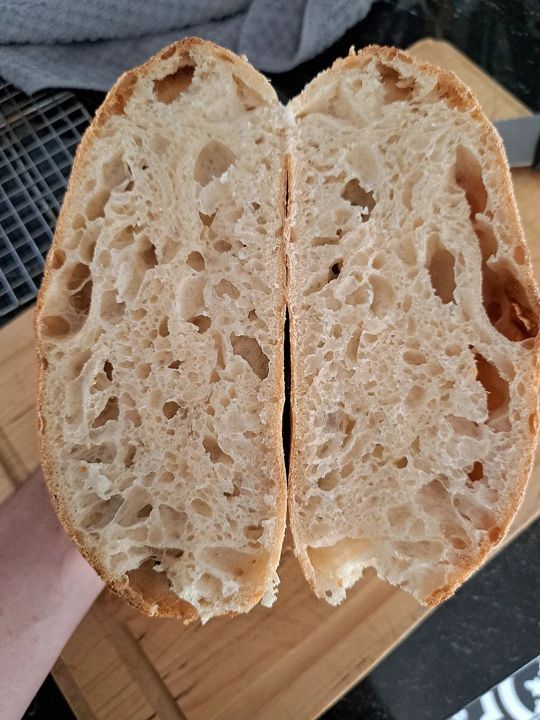
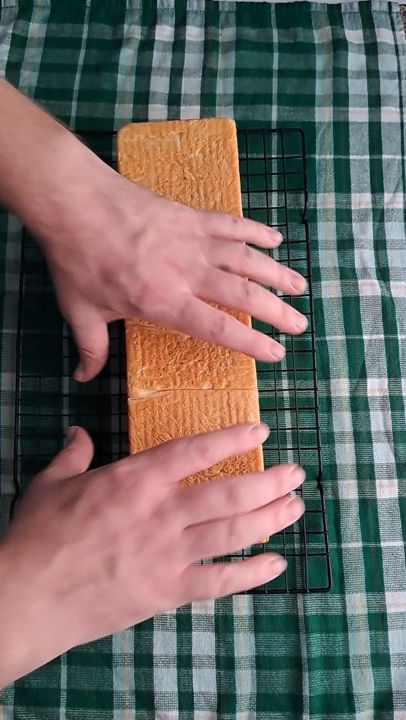
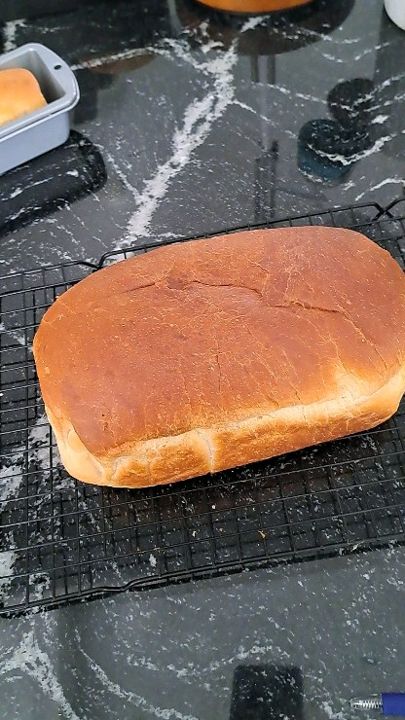
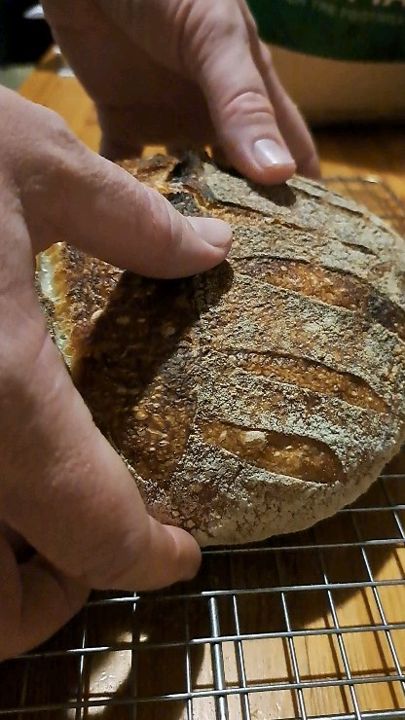
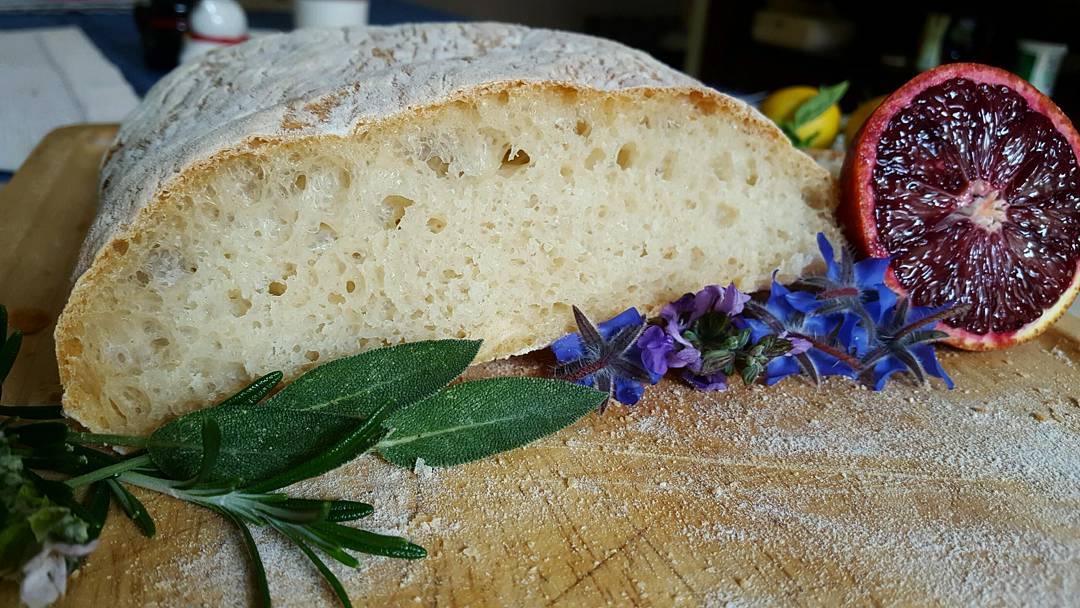
I got three posts out of this one in a week. First a cut loaf of my ciabatta bread dusted with flour, its crumb full of irregular holes, styled with sage and borage flowers. Then slices on a breakfast plate with fried eggs and bacon, ringed with herbs and citrus: #breakfastofchampions. And a video where I squeeze the whole loaf so you can hear the crust crackle.
Ciabatta, Italian for slipper, was created in 1982 by a baker named Arnaldo Cavallari in the Veneto, as an Italian answer to the French baguette. It is made from a very wet dough, often started with a pre-ferment called a biga, and you handle it as little as possible so the big bubbles survive. The dough is too slack to shape, so you simply cut it and stretch it.
This article is written in Corey’s voice for this tribute site, based on his captions and blog. His own words are the quotes above.
Ciabatta
Ciabatta, Italian for slipper, is a flat, flour-dusted loaf with a thin crisp crust and a wide open, glossy crumb. It is a modern bread, developed in 1982 by the miller and baker Arnaldo Cavallari in Adria, in the Veneto, as an Italian answer to the baguette for sandwiches.
Ingredients
Biga
- 200 g bread flour (1 2/3 cups)
- 120 g water at 70°F / 21°C (1/2 cup)
- 0.5 g instant yeast (1/8 tsp)
Final dough
- 300 g bread flour (2 1/2 cups)
- 280 g water at 80°F / 27°C (1 cup plus 3 tbsp)
- 10 g fine sea salt (1 3/4 tsp)
- 2 g instant yeast (generous 1/2 tsp)
- 15 g extra virgin olive oil, optional (1 tbsp)
- All of the biga
Method
- Mix the biga into a stiff, shaggy dough. It does not need to be smooth. Cover and leave at cool room temperature for 12 to 16 hours, until domed, well risen and smelling pleasantly winey.
- Tear the biga into pieces and put it in the mixer bowl with the water, flour, yeast and oil. Mix with the paddle on low for 3 minutes, add the salt, then beat on medium-high for 6 to 8 minutes, until the wet dough turns glossy and begins to wrap around the paddle.
- Scrape into a generously oiled rectangular container. Ferment at 76-80°F (24-27°C) for 2 1/2 to 3 hours. With wet hands, fold the dough over itself like a letter in both directions at 45 minutes and again at 90 minutes.
- By the end the dough should be more than doubled, wobbly and full of large bubbles. Flour the bench heavily and tip the dough out gently, letting it fall under its own weight without deflating it.
- Flour the top. With a bench knife, cut the dough into 2 long rectangles or 8 squares. Do not shape beyond nudging the sides square.
- Lift each piece onto a heavily floured linen cloth or parchment, stretching it slightly as you set it down. Cover and proof for 30 to 45 minutes.
- Heat a baking stone or steel at 475°F (245°C) for 45 minutes with a pan on the rack below for steam. Transfer the loaves to the stone, flipping them floured side up if you like the striped look, and pour a cup of boiling water into the pan.
- Reduce the oven to 450°F (230°C). Bake loaves for 25 to 30 minutes and rolls for 18 to 22 minutes, until deep golden and light for their size, with an internal temperature of 205-210°F (96-99°C).
- Cool on a rack for at least 45 minutes before cutting.
Chef’s notes
- The dough is 80 percent water and is meant to be almost pourable. Use water and oil on your hands, never extra flour in the dough.
- A tight crumb means the dough was handled roughly after the bulk rise or cut short on fermentation. All the open structure is built in the container and must be preserved on the bench.
- Bake it fully. A wet dough needs a long bake, and a pale ciabatta turns leathery within the hour.
- If you have no stand mixer, use the folding method alone: four folds, 30 minutes apart, during a 3 hour rise.
Biga or poolish?
Biga (stiff preferment)
Italian tradition; Carol Field; Jeffrey Hamelman's ciabatta with stiff biga
A firm preferment at 50 to 60 percent hydration ferments overnight. It adds strength to a very wet dough and gives a mild, slightly sweet and nutty flavour, and it is the method followed here.
Poolish (liquid preferment)
Peter Reinhart; Jeffrey Hamelman's ciabatta with poolish; many French-trained bakers
Equal weights of flour and water ferment into a loose sponge. It makes the dough more extensible and the crumb more open and lacy, with a slightly tangier, more aromatic character.
Drawn from the methods of
- Carol Field, The Italian Baker (1985)
- Jeffrey Hamelman, Bread (2004)
- Peter Reinhart, The Bread Baker's Apprentice (2001)
Corey has not published his own formula for this piece. This reference recipe is compiled from the published methods of the chefs and bakers listed above, written in our own words.