The Cinnamon Roll, Brioche-Style
February 21, 2026
“Thank you to @braudogco for their amazing cinnamon roll recipe!”
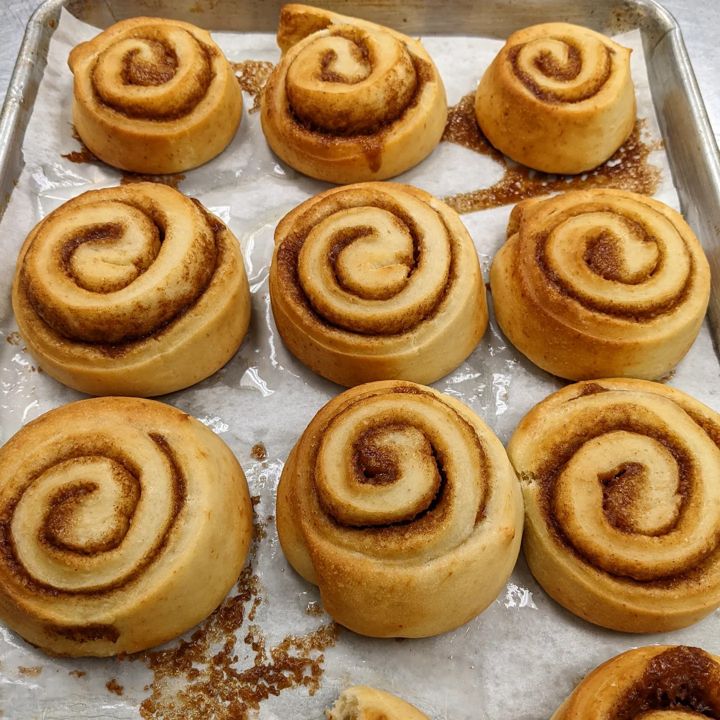
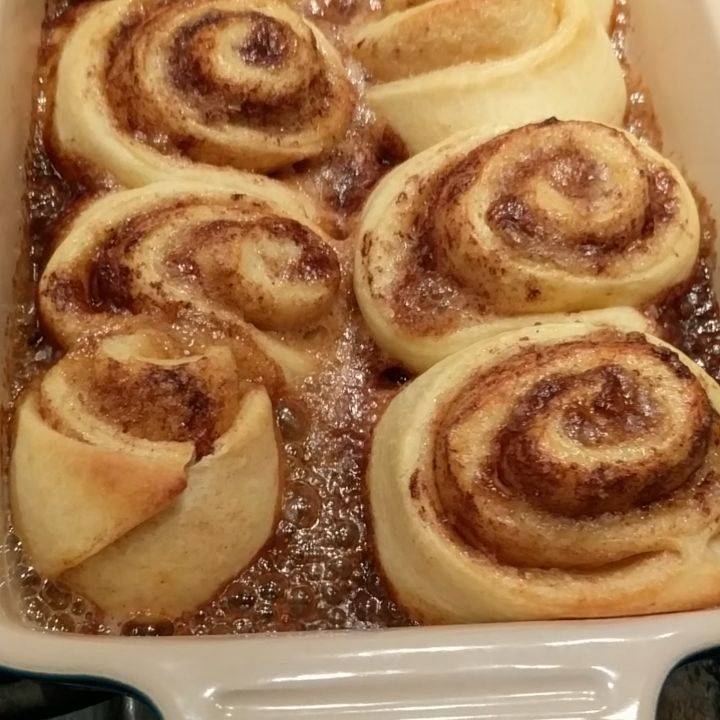
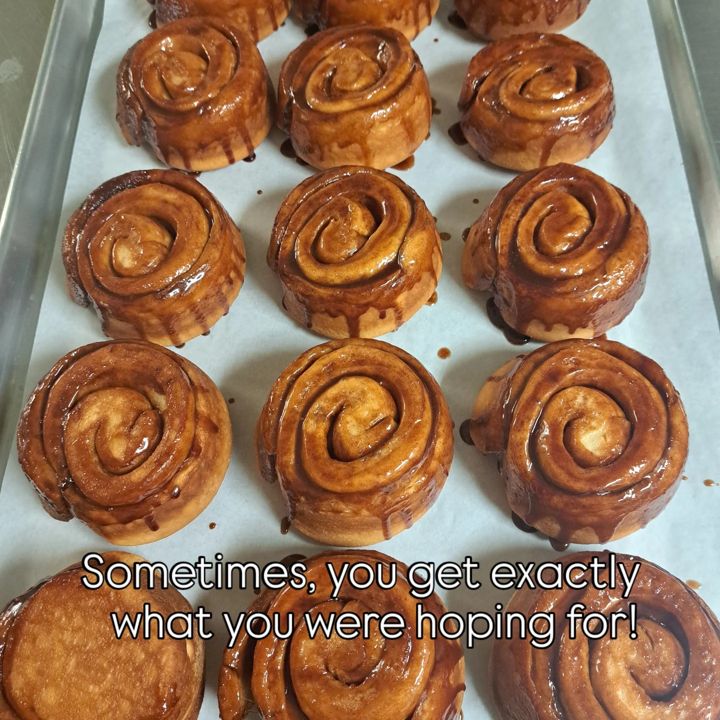
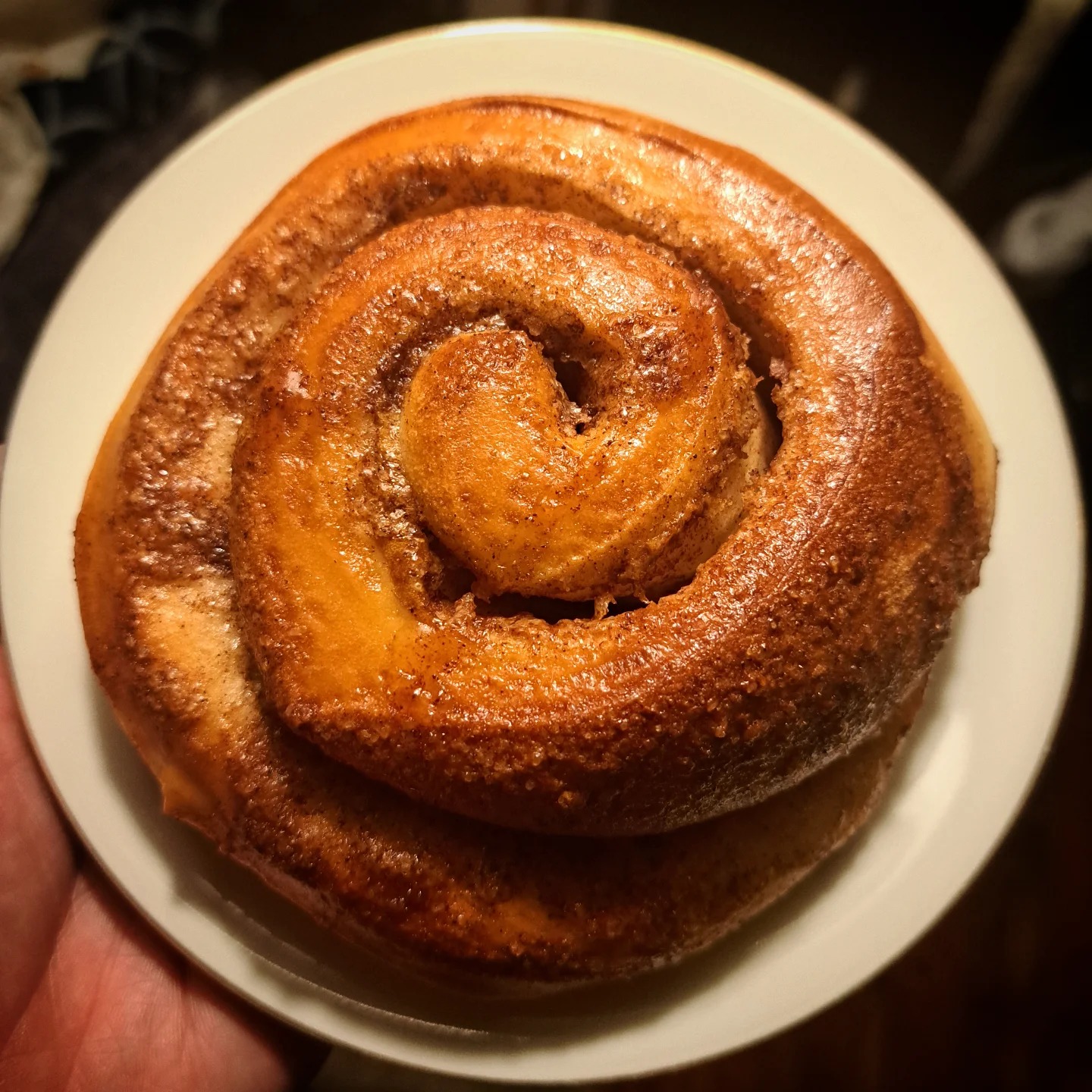
One roll, and it fills the plate. I wound the spiral tight at the center and it relaxes outward, the top is lacquered a deep amber, and the edges have that sugared crust you only get when cinnamon butter leaks, caramelizes against the pan and gets carried back up the sides. The recipe is from Brau Dog Co., so credit where it's due, and the result has the tall, bready build of a bakery roll, not the squat supermarket kind.
What makes a cinnamon roll like this work is the dough. It is an enriched dough, a close cousin to brioche: milk, egg, sugar and butter slow the yeast and tenderize the crumb, so the roll pulls apart in soft ribbons. The filling is simply butter, brown sugar and cinnamon, but how thickly I spread it and how tightly I roll the log decides whether I get defined rings or a blurred swirl. This one has rings you could count.
This article is written in Corey’s voice for this tribute site, based on his captions and blog. His own words are the quotes above.
Soft Cinnamon Rolls
Cinnamon rolls are a soft enriched dough spread with butter, sugar and cinnamon, rolled into a spiral and baked side by side so they stay tender. They descend from the Swedish kanelbulle and other northern European spiced buns, and became a larger, softer, frosted pastry in the United States.
Ingredients
Tangzhong
- 25 g bread flour (3 tbsp)
- 125 g whole milk (1/2 cup)
Dough
- 475 g bread flour (about 3 3/4 cups)
- 150 g whole milk, lukewarm (2/3 cup)
- 100 g eggs, room temperature (2 large)
- 60 g granulated sugar (1/4 cup plus 2 tsp)
- 9 g fine sea salt (1 1/2 tsp)
- 9 g instant yeast (1 tbsp)
- 85 g unsalted butter, soft (6 tbsp)
Filling
- 60 g unsalted butter, very soft (4 tbsp)
- 150 g light or dark brown sugar (3/4 cup, packed)
- 12 g ground cinnamon (1 1/2 tbsp)
- Pinch of salt
Cream cheese glaze (optional)
- 115 g cream cheese, soft (4 oz)
- 45 g unsalted butter, soft (3 tbsp)
- 150 g powdered sugar, sifted (1 1/4 cups)
- 1 tsp vanilla extract
- 15 to 30 g milk, to loosen (1 to 2 tbsp)
- Pinch of salt
Method
- Make the tangzhong: whisk the flour and milk in a small pan and cook over medium heat, stirring constantly, until it thickens to a smooth paste at about 149°F (65°C). This takes 2 to 3 minutes. Scrape into the mixer bowl and cool until just warm.
- Add the remaining dough ingredients except the butter and mix on low for 3 minutes. Add the butter in pieces and knead on medium for 8 to 10 minutes, until the dough is smooth, elastic and pulls cleanly from the bowl. It will be soft and slightly tacky.
- Cover and let rise at warm room temperature for 60 to 90 minutes, until puffy and nearly doubled.
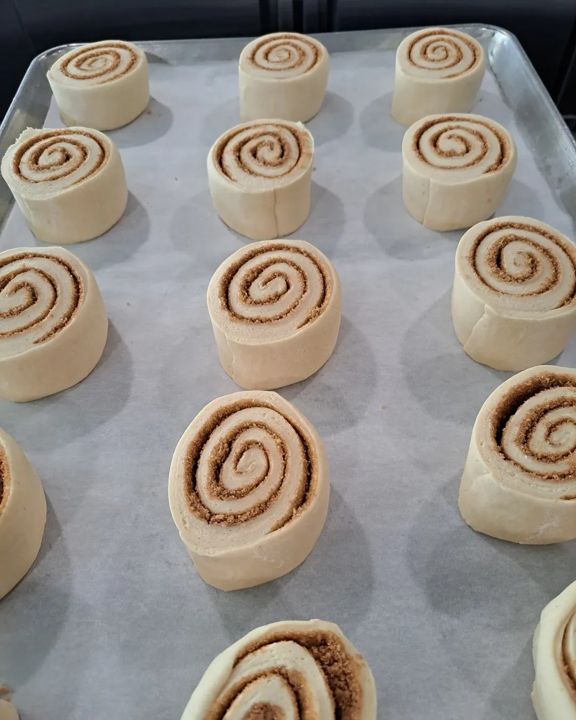
- Roll the dough on a lightly floured surface to a 40 x 50 cm (16 x 20 in) rectangle. Spread with the soft butter right to the edges, leaving a 1 cm strip bare on one long side, then sprinkle evenly with the mixed sugar, cinnamon and salt and press it in lightly.
- Roll up snugly from the long side toward the bare strip and pinch the seam. Cut into 12 equal pieces with unflavoured dental floss or a serrated knife.
- Arrange cut side up in a buttered 23 x 33 cm (9 x 13 in) pan. Cover and proof for 45 to 60 minutes, until the rolls are puffy and touching. Or refrigerate overnight and let them stand at room temperature for 1 hour before baking.
- Bake at 350°F (175°C) for 22 to 28 minutes, until light golden and 190°F (88°C) in the centre of a middle roll. Do not overbake or they will dry out.
- Beat the glaze ingredients until smooth. Spread half over the rolls after 5 minutes of cooling so it melts in, then spread the rest once they are just warm.
Chef’s notes
- Dry rolls are nearly always overbaked rolls. Pull them when the centres reach 190°F (88°C), while the tops are still only light gold.
- Use butter that is soft but not melted for the filling. Melted butter runs out and pools in the pan, taking the sugar with it.
- If the centres pop up into cones while baking, the log was rolled too tightly. Roll snugly, not tight.
- For an extra gooey base, pour 60 g (1/4 cup) of warm heavy cream over the proofed rolls just before they go in the oven.
Tangzhong or classic enriched dough?
Tangzhong (cooked flour paste)
King Arthur Baking Company and many modern bakers
A small part of the flour is cooked with milk so the starch gels and holds extra water. The rolls bake up softer and stay fresh for two or three days, and this is the method the recipe follows.
Classic straight enriched dough
Peter Reinhart, Stella Parks, traditional American bakeries
Everything is mixed in one stage with no cooked paste, relying on butter, eggs and milk for tenderness. It is quicker and gives a slightly chewier, more bread-like roll that is at its best the day it is baked.
Drawn from the methods of
- King Arthur Baking Company
- Peter Reinhart, The Bread Baker's Apprentice (2001)
- Stella Parks, BraveTart (2017)
Corey has not published his own formula for this piece. This reference recipe is compiled from the published methods of the chefs and bakers listed above, written in our own words.