Quick Biscuits
By Corey Coleman · March 13, 2017 · Originally published on makingsomedough.wordpress.com
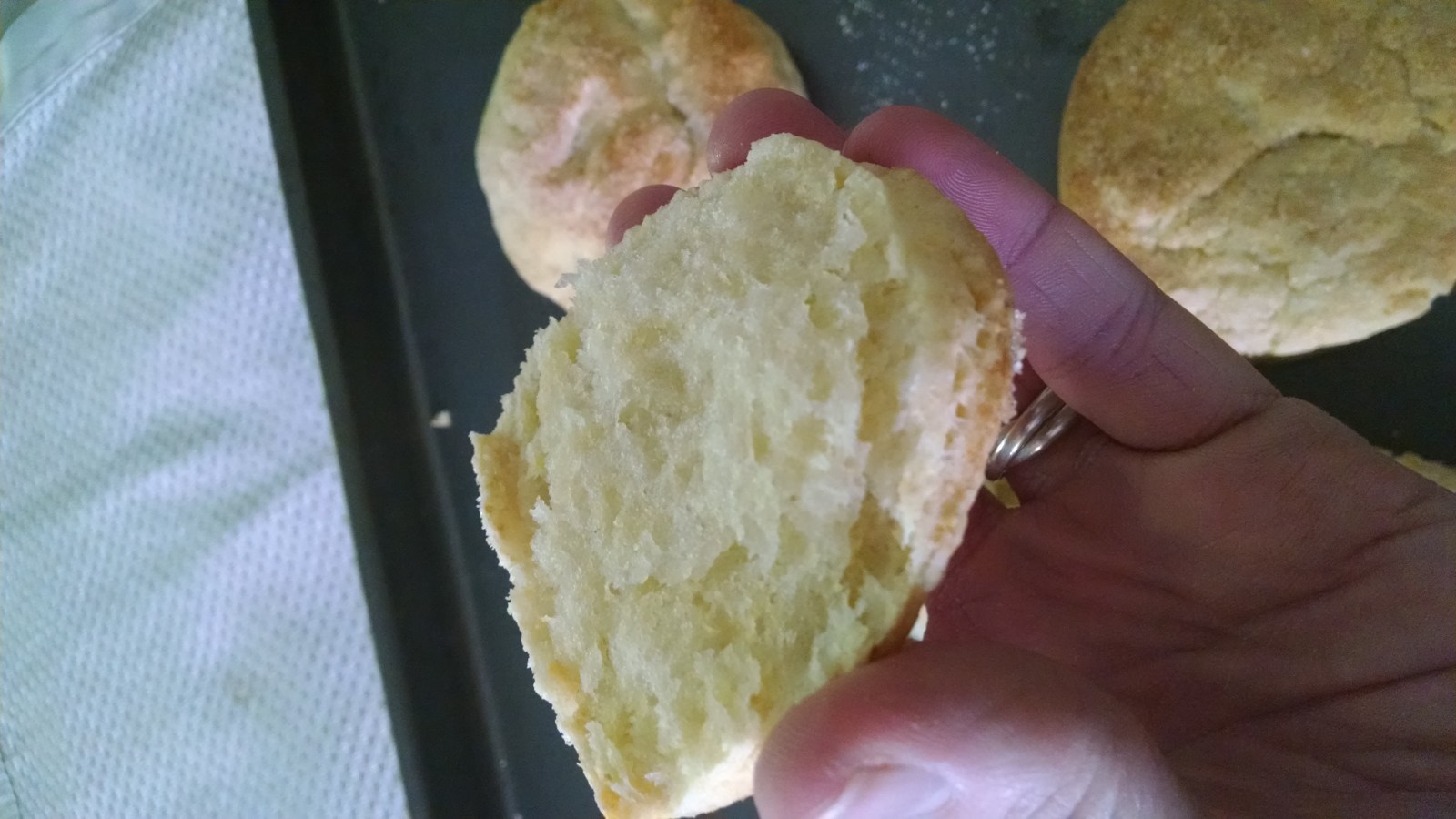
Biscuits: they have gone the way of nostalgia these days. People only really break them out of their pre-made tubular prison during the holidays. Some people may only think of these not as the pillowy quick bread of the gods, but as hunks of shapeless dough, drowned in half a gallon of gravy.
But what most people don’t realize is that when they are made from scratch, they truly are one of life’s great simple luxuries. They are soft, flaky and oh so buttery!
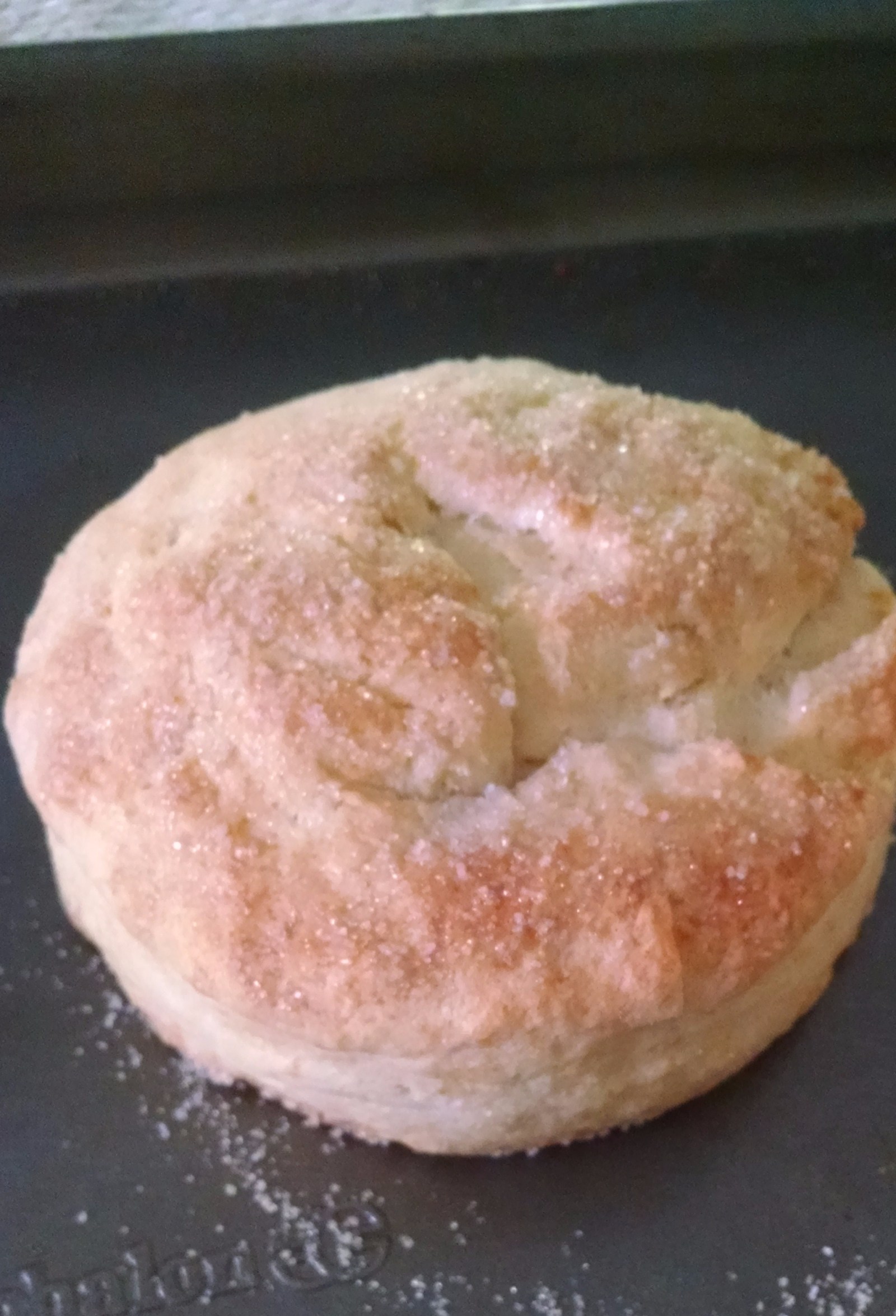
The recipe used is for butter biscuits, so naturally it has lots of butter. But what is interesting about this particular recipe is that it uses cooked egg yolks, pressed through a fine mesh strainer to turn them into tiny granules. This process helps make the biscuits more tender. (See the link below for more information.)
With biscuits, just like scones, you need to cut in the butter, meaning you need use a knife, tool, or your fingertips to cut the butter into tiny flecks. This process ensures that the dry mix has the butter all throughout so when you bake, the butter will melt evenly to give you that ideal soft and flaky texture. Without this process, you basically just end up making weird doughy muffins.
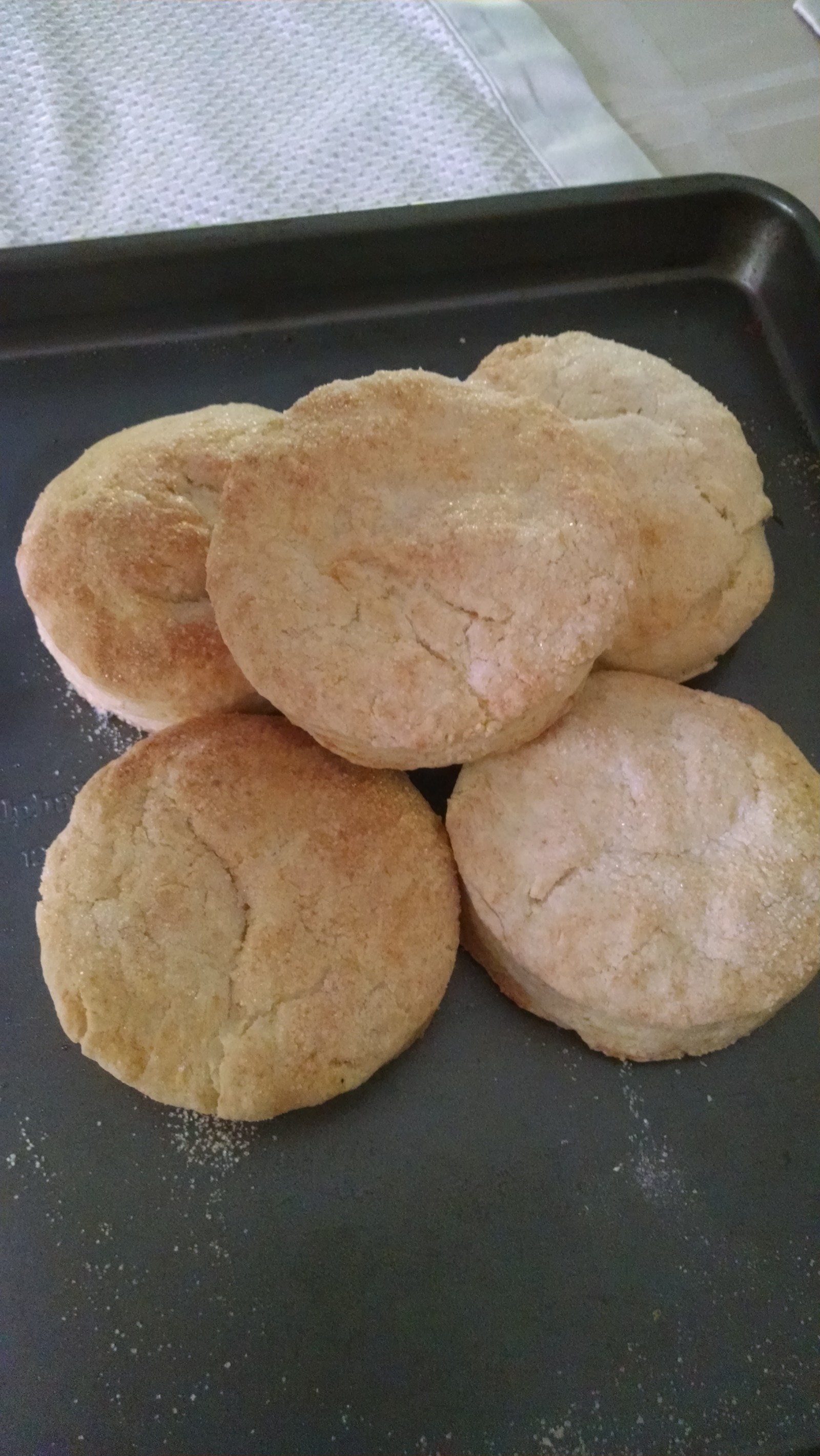
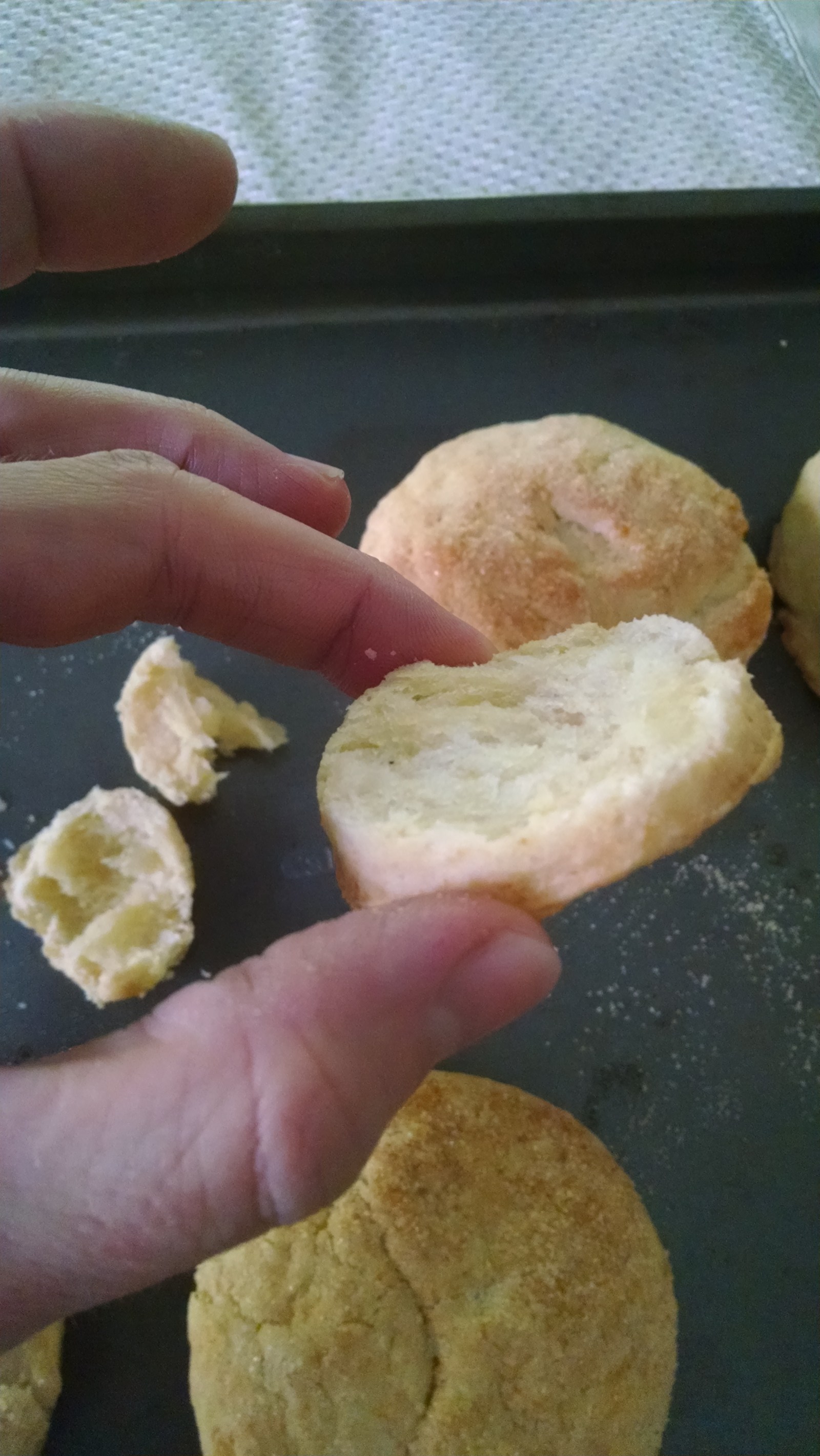
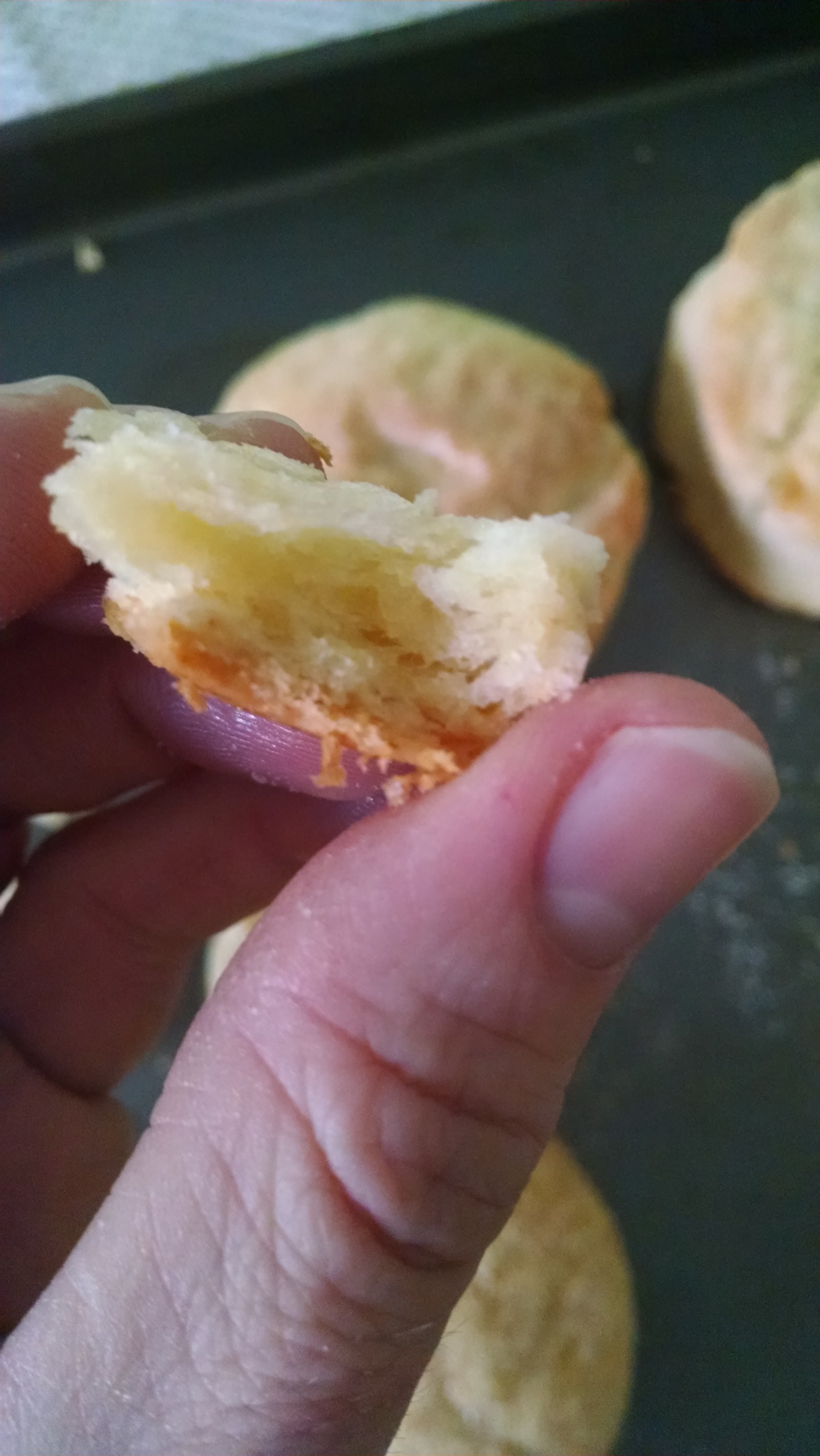
When the dough is rolled out and cut into the circular shape, it is very important that the cuts are clean. Basically, don’t try to smooth the sides with your hands or twist the cutting utensil. These need extremely clean edges that aren’t rounded or shaped into a ball. If the sides aren’t cut clean, the biscuits may not rise correctly. On all other attempts in making these in the past, this was something I ignored, and the end result was less than desirable.
I actually didn’t screw this one up that much! So thankfully, there’s not much to critique. The shapes and textures were all quite good. Flavor was on point and the rise was also good. I would have to say it was a win!
If they’re so delicious, why don’t more people make them from scratch? Well, you could spend an hour or so putting together the ingredients, making sure you keep the butter cool, taking great care in how you cut them so that they rise properly. Or you could just go to the store and just pop them out of a tube and bake them.
That is why we (as bakers) can’t make something poorly or with subpar ingredients. Every day, it is important that we strive to make the best we can, to show people what pastries really are and so that we can bring them back from the pit of prem[akcaged madness.
Below is the link to a site that explains more about the use of hardboiled egg yolk in baking and it’s purpose. So if you want to get the full picture feel free to check it out:
http://www.bonappetit.com/test-kitchen/ingredients/article/baking-with-hard-boiled-egg-yolk
Flaky Butter Biscuits
The American biscuit is a quick bread of the South, raised with chemical leavening and layered with cold fat. It took its modern form in the 19th century when baking soda and then baking powder became widely available, replacing the long beating once needed to lighten the dough.
Ingredients
Biscuits
- 360 g all-purpose flour, preferably a soft low-protein brand (3 cups)
- 15 g baking powder (1 tbsp plus 1/2 tsp)
- 3 g baking soda (1/2 tsp)
- 10 g granulated sugar (2 tsp)
- 8 g fine sea salt (1 1/4 tsp)
- 170 g unsalted butter, very cold (1 1/2 sticks)
- 270 g cold buttermilk, well shaken (1 cup plus 2 tbsp)
Finish
- 30 g butter, melted, or extra buttermilk, for brushing (2 tbsp)
Cooked egg yolk variation
- 2 hard-cooked egg yolks, cooled and pushed through a fine sieve
Method
- Heat the oven to 425°F (220°C) and line a tray with parchment. Whisk the flour, baking powder, baking soda, sugar and salt together in a wide bowl.
- Cut the cold butter into 1 cm cubes, or grate it frozen on the large holes of a box grater. Toss it through the flour, then press the pieces flat between your fingers, leaving them no smaller than peas.
- Pour in the cold buttermilk and stir with a fork just until the dough clumps and no pool of liquid remains. It should look rough and uneven.
- Turn onto a floured bench and pat into a rectangle 2 cm (3/4 in) thick. Fold in thirds like a letter, turn 90 degrees, and pat out again. Repeat for 3 folds in total, flouring lightly as needed.
- Pat the dough to 2.5 cm (1 in) thick. Cut with a floured 6 cm (2 1/2 in) round cutter, pressing straight down without twisting, or cut into squares with a sharp knife to avoid scraps. Gently press scraps together and cut again.
- Arrange on the tray with the sides just touching for taller, softer biscuits, or 5 cm (2 in) apart for crisp sides. Chill for 10 minutes if the butter has softened.
- Brush the tops with melted butter or buttermilk. Bake for 16 to 20 minutes, until tall and deep golden brown. Serve warm.
- Variation: for an especially tender, short crumb, whisk the sieved cooked egg yolks into the dry ingredients before adding the butter. This old technique, best known from James Beard's shortcakes, adds fat and richness without adding gluten-forming moisture, and it is ideal for strawberry shortcake.
Chef’s notes
- Twisting the cutter seals the edges and stops the biscuits rising straight. Push down and lift up.
- Flat, greasy biscuits mean the butter melted before baking. Keep everything cold and get the tray into a fully heated oven.
- Tough biscuits come from overworking or from a high-protein flour. Southern soft wheat flour gives the most tender result. With regular all-purpose flour, handle the dough as little as possible.
- Check that your baking powder is fresh. It loses strength within 6 to 12 months of opening.
All butter, or shortening and lard?
All butter
Claire Saffitz, King Arthur Baking Company, most modern pastry chefs
Butter gives the best flavour, and its water content turns to steam and pushes the layers apart. It melts at a lower temperature, so the dough must be kept cold, and it is the method this recipe follows.
Lard or shortening, alone or with butter
Edna Lewis and Scott Peacock, traditional Southern bakers
Lard and shortening are pure fat and stay solid at warmer temperatures, so they give a more tender, higher rising biscuit that is easier to handle. Good lard adds a savoury depth, while shortening is neutral in flavour.
Drawn from the methods of
- Edna Lewis and Scott Peacock, The Gift of Southern Cooking (2003)
- King Arthur Baking Company
- James Beard, James Beard's American Cookery (1972)
- Claire Saffitz, Dessert Person (2020)
Corey has not published his own formula for this piece. This reference recipe is compiled from the published methods of the chefs and bakers listed above, written in our own words.