An Untimely Roll
By Corey Coleman · February 27, 2017 · Originally published on makingsomedough.wordpress.com
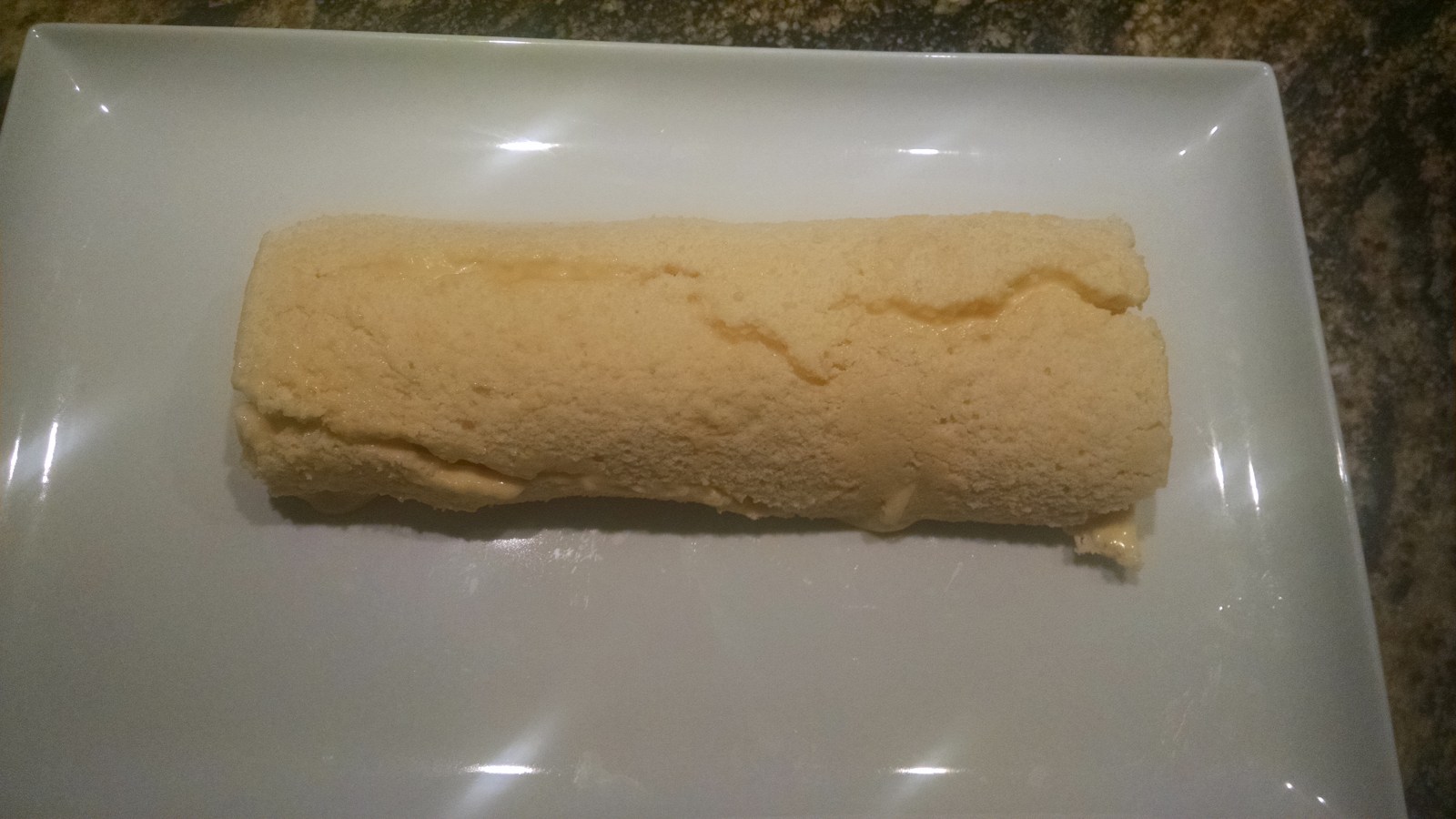
Most of us that have tried it before tend to fail the first time, unless you are that good or are that lucky. I’m speaking of the jelly roll cake, or roll cake, or Swiss roll. Effectively the batter is the same as a chiffon cake, meaning it is oil and egg based rather than butter and large quantities of flour.
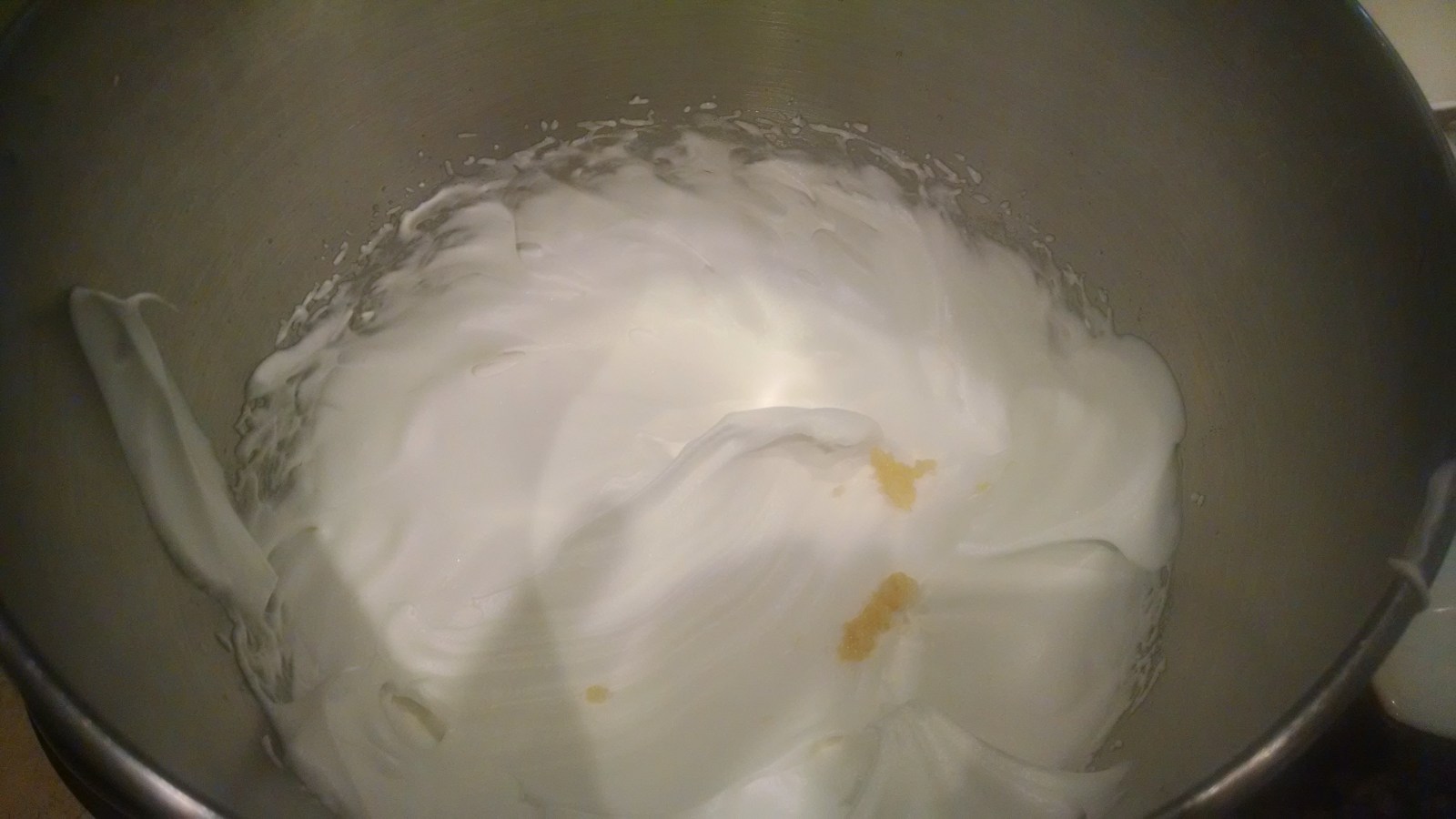
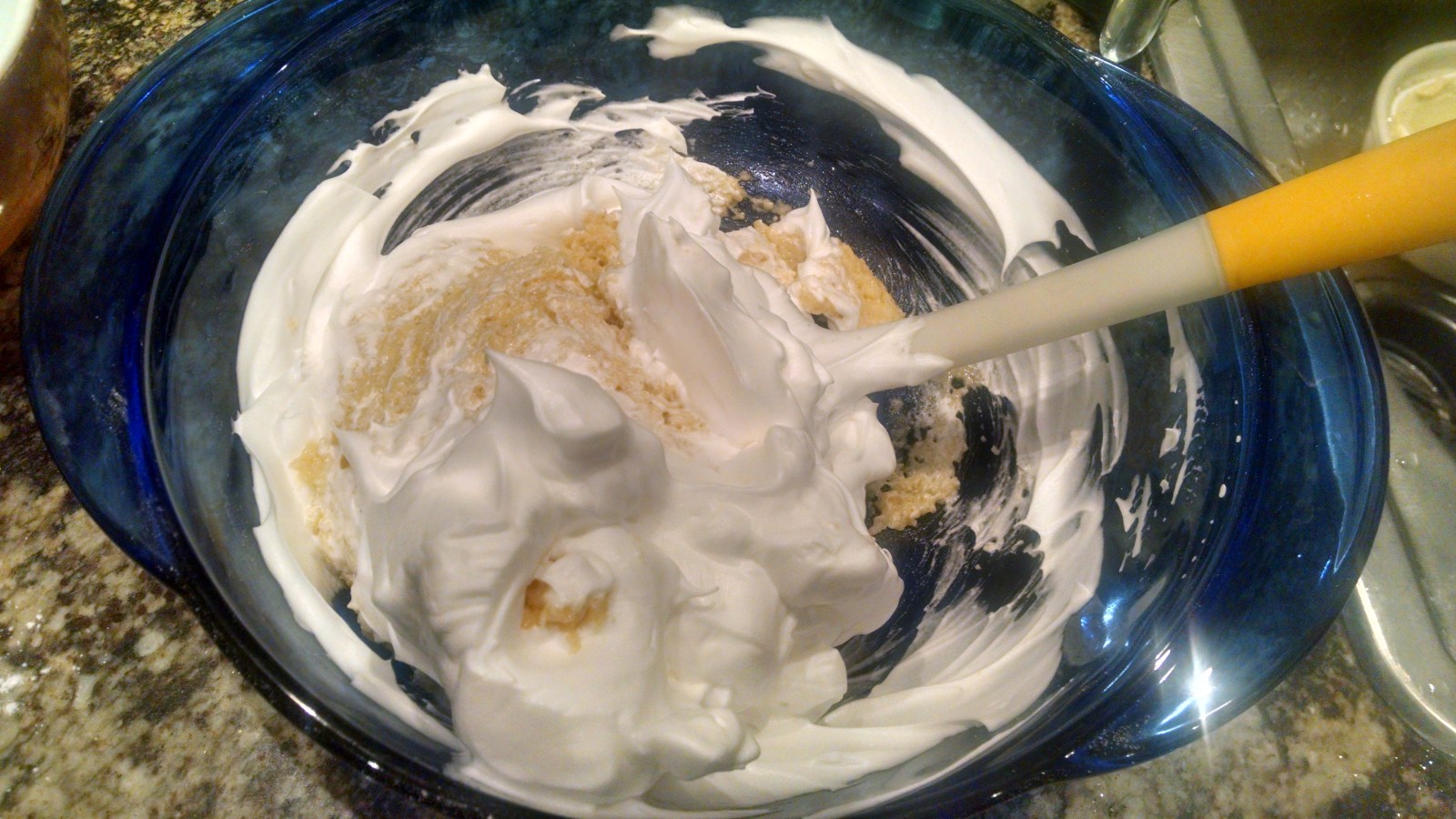
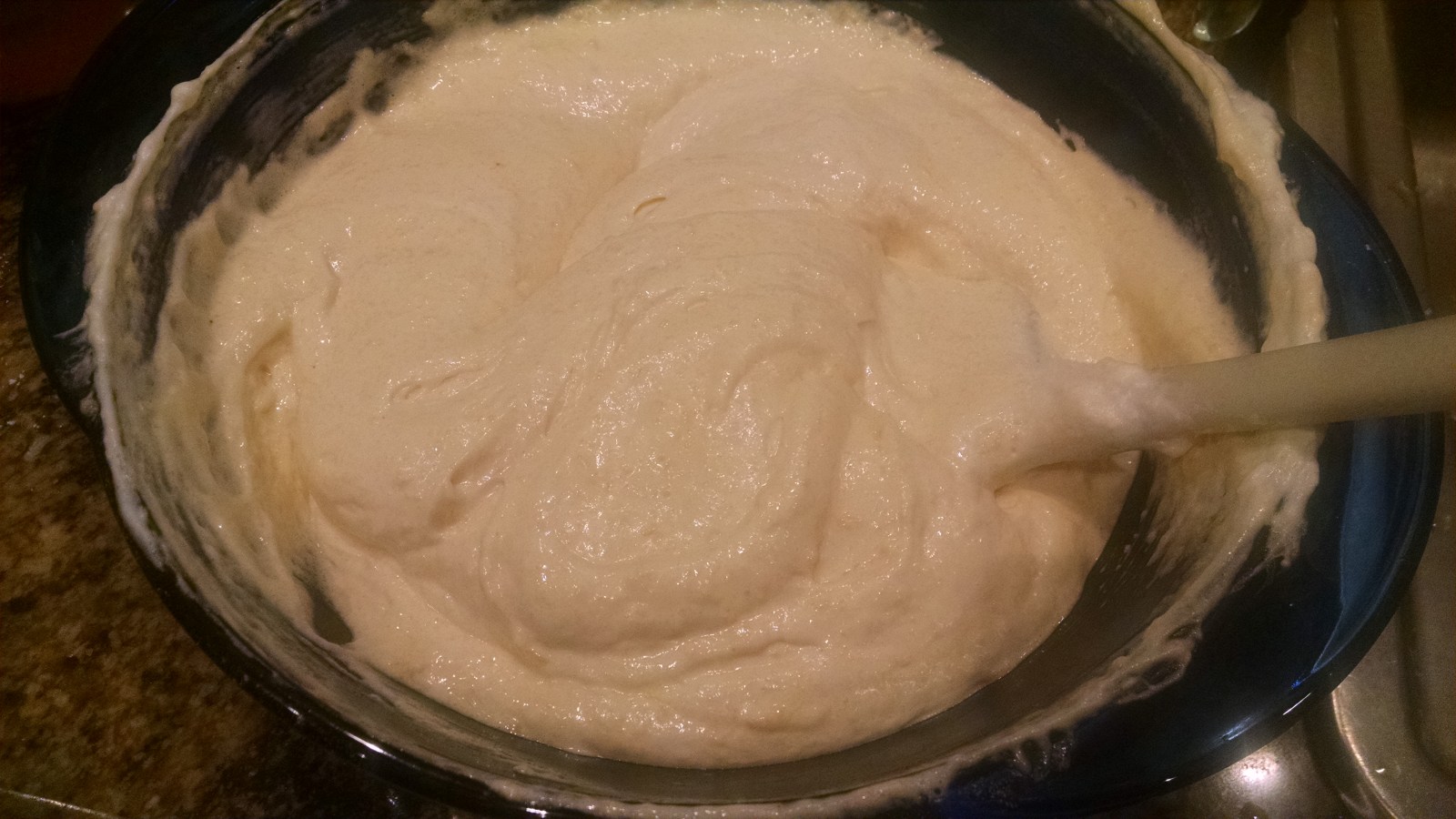
The batter is mixed with meringue, as you can see (to a certain extent) the batter is under the meringue; the mixture ends up being a rather thick concoction of oil, egg yolks and the dry ingredients. It is then added in stages to the meringue and as it mixes, the batter becomes lighter and softer in weight and texture. This process makes it a soft and airy cake after it bakes.
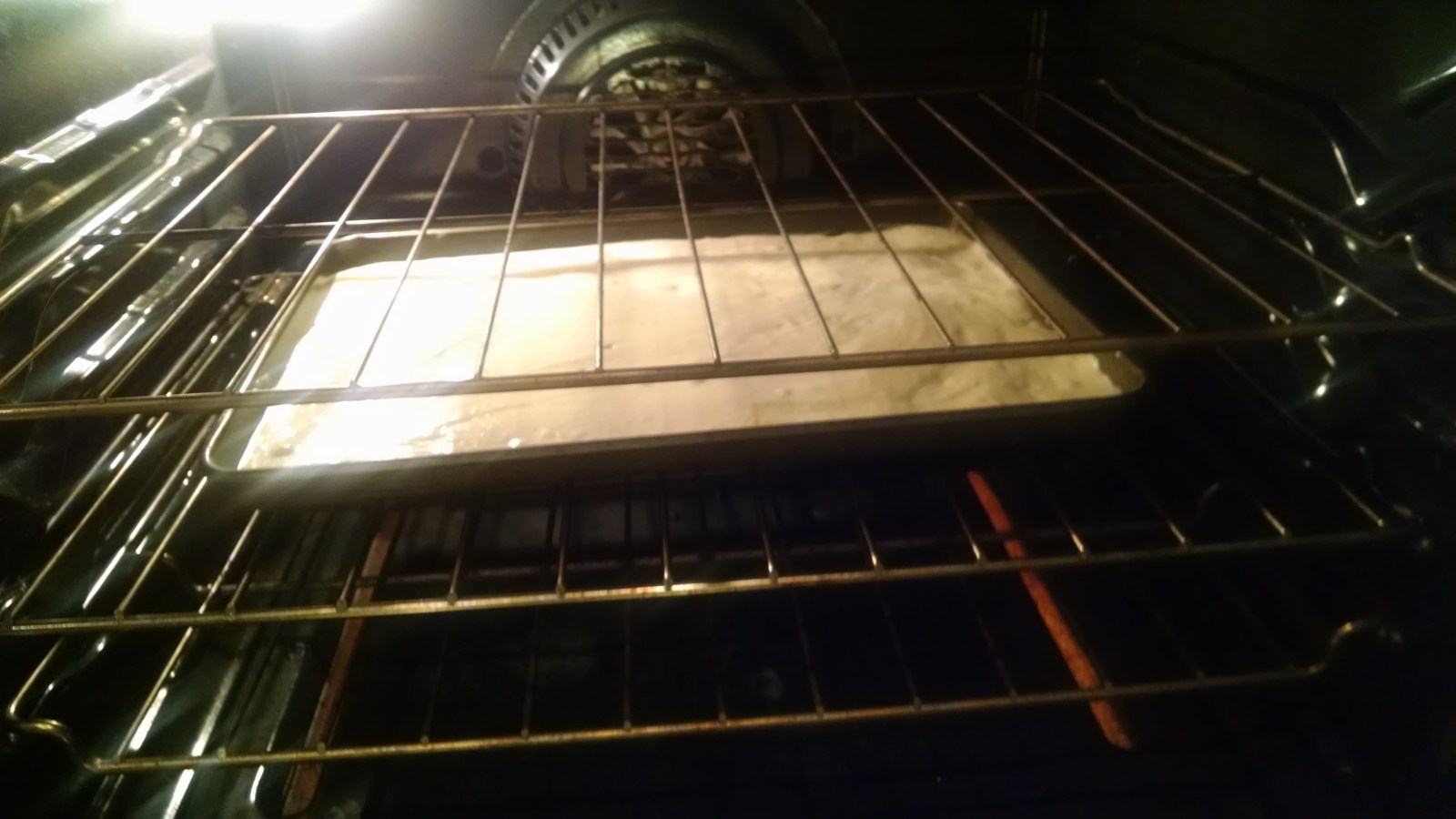
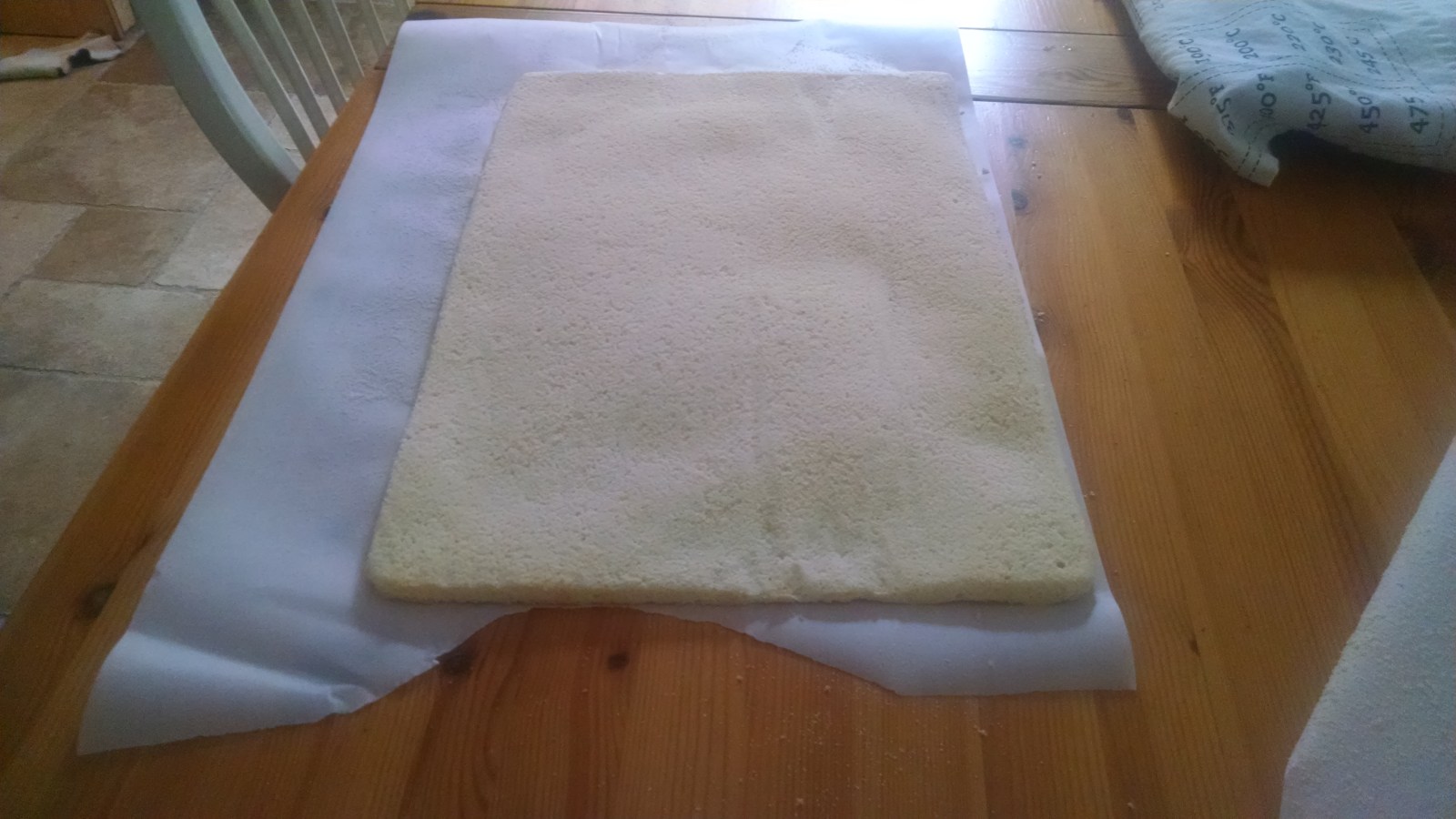
This was all pertinent information I either already knew, or had learned, when I had made a roll-type cake for the first time several Christmases ago when I made a Buche de Noel (also known as a Yule Log Cake). It follows the same rules as any roll cake does, and I butchered it then as well. You may be wondering, “If you have never made one before, what is the big deal?” Well, the most common problem with roll cakes is that they crack. Not while it’s baking, but per the name, while it is being rolled. The picture just above shows you the first part of the process. The piping hot cake is laid out on a sheet of parchment paper with powdered sugar on it and rolled into a cylinder. And after it is rolled, it is left to cool completely. If you’re going to have problems it’ll be with the following step. You of course have to unroll it so it can be filled, (in my case I was filling it was a lemon curd cream, which also didn’t turn out that well).
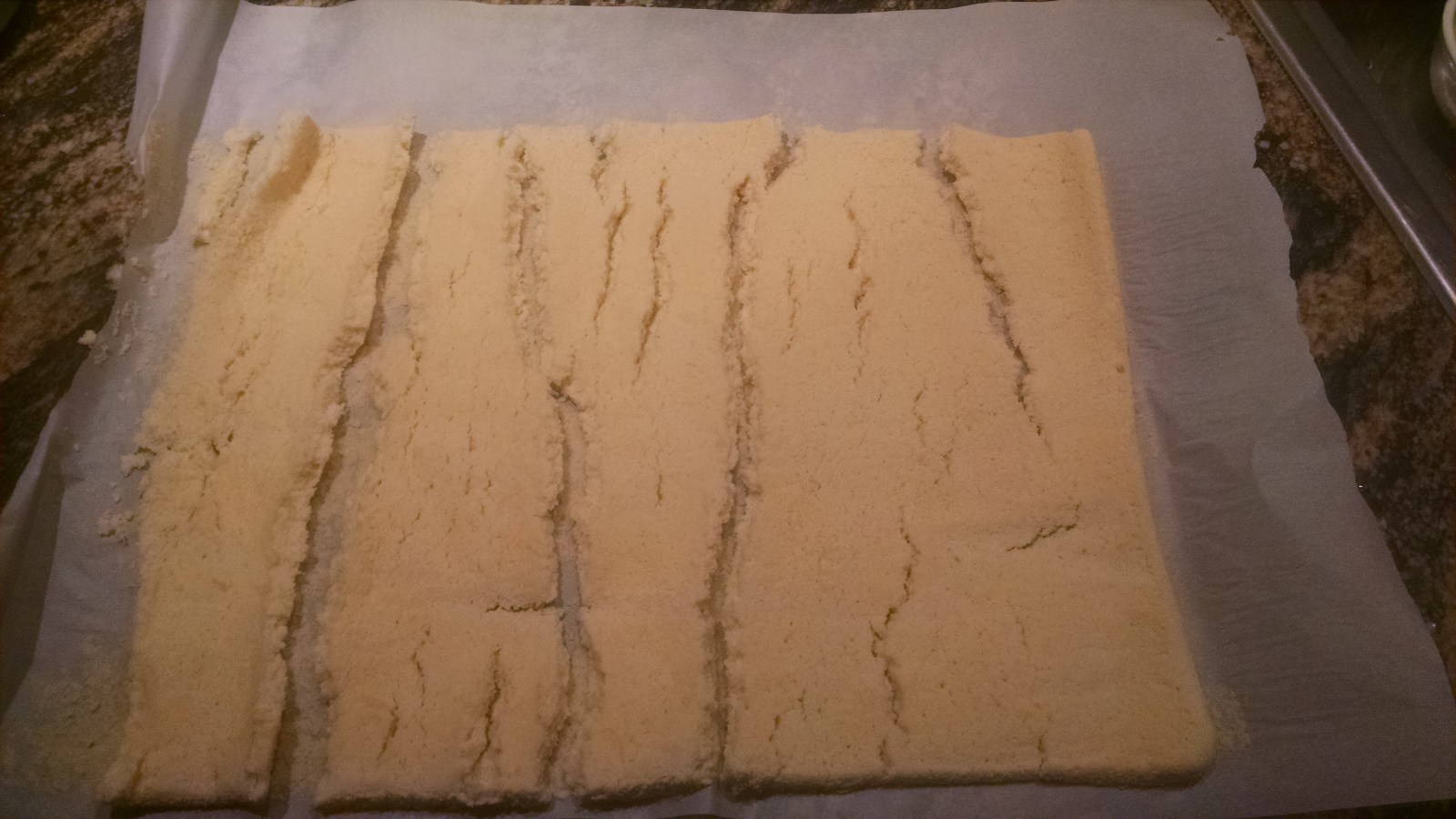
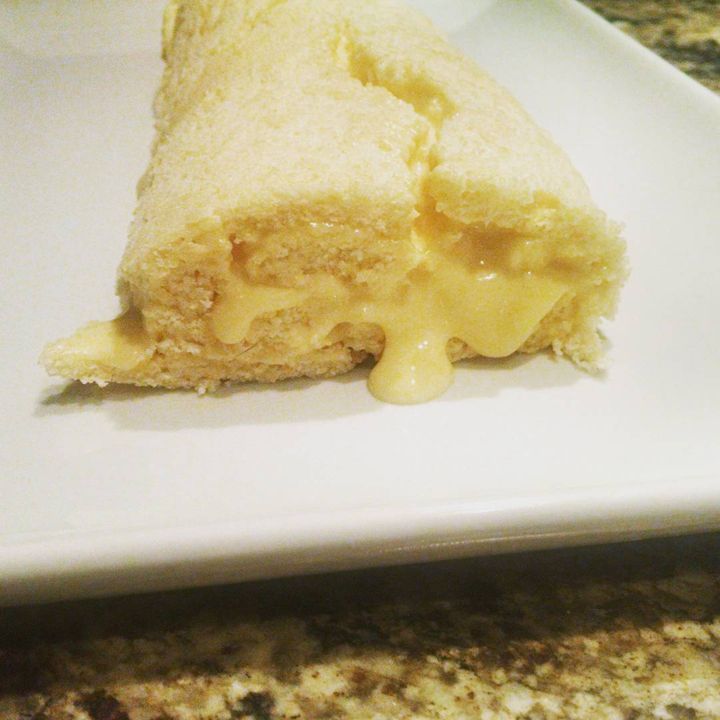
As you can see from the picture, the the cake turned into shattered mess. It looked like a team of scientists sent an ice breaker through it with a drunk captain, violently weaving back and fourth as they attempted to stay on course. It looked like San Francisco after the 1906 earth quake…it looked bad. Now sometimes you’ll get lucky and it will have only cracked on the edged and you can safely conceal it within the roll. Not me though, mine wanted to be seen and heard for that matter.
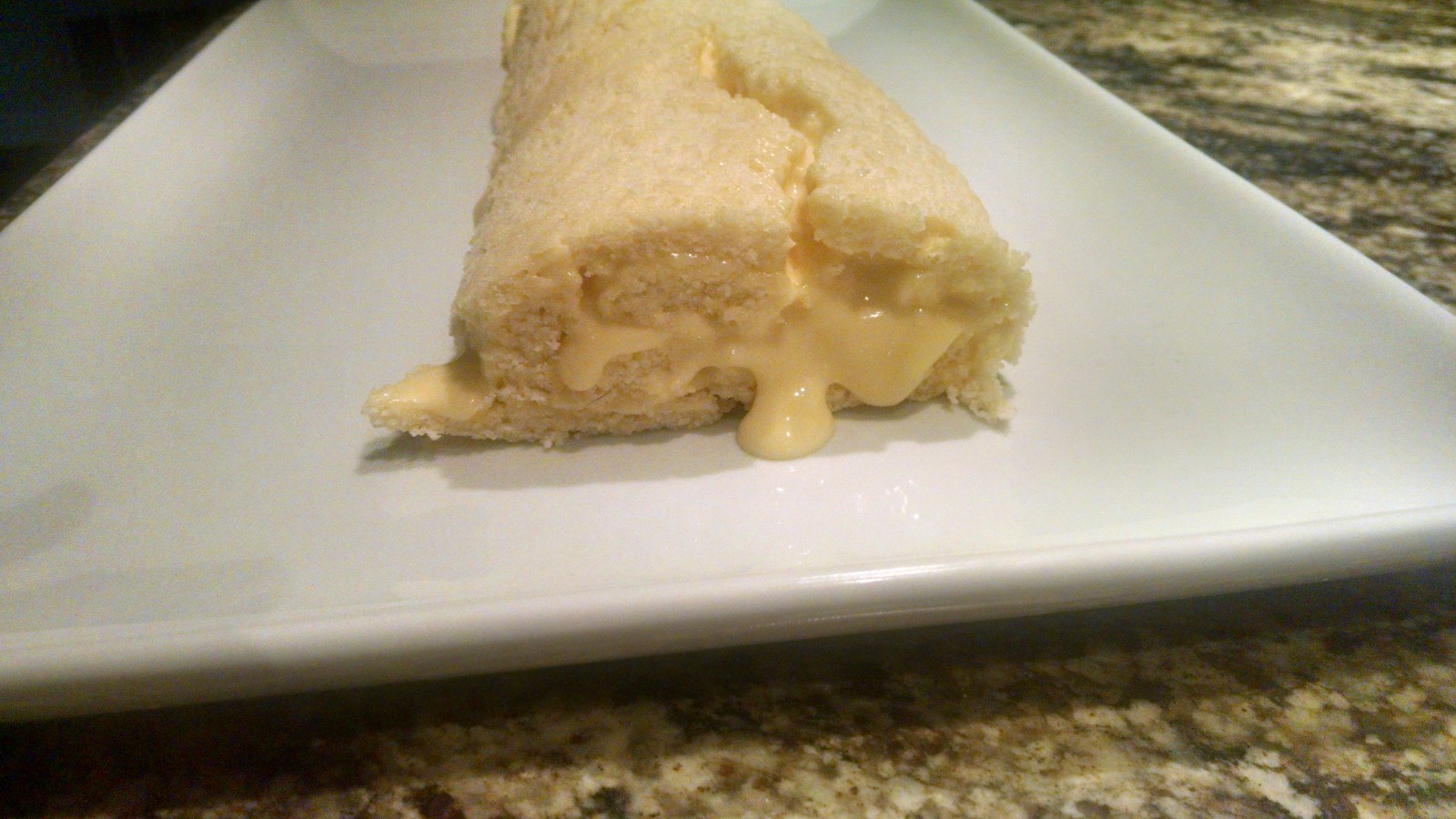
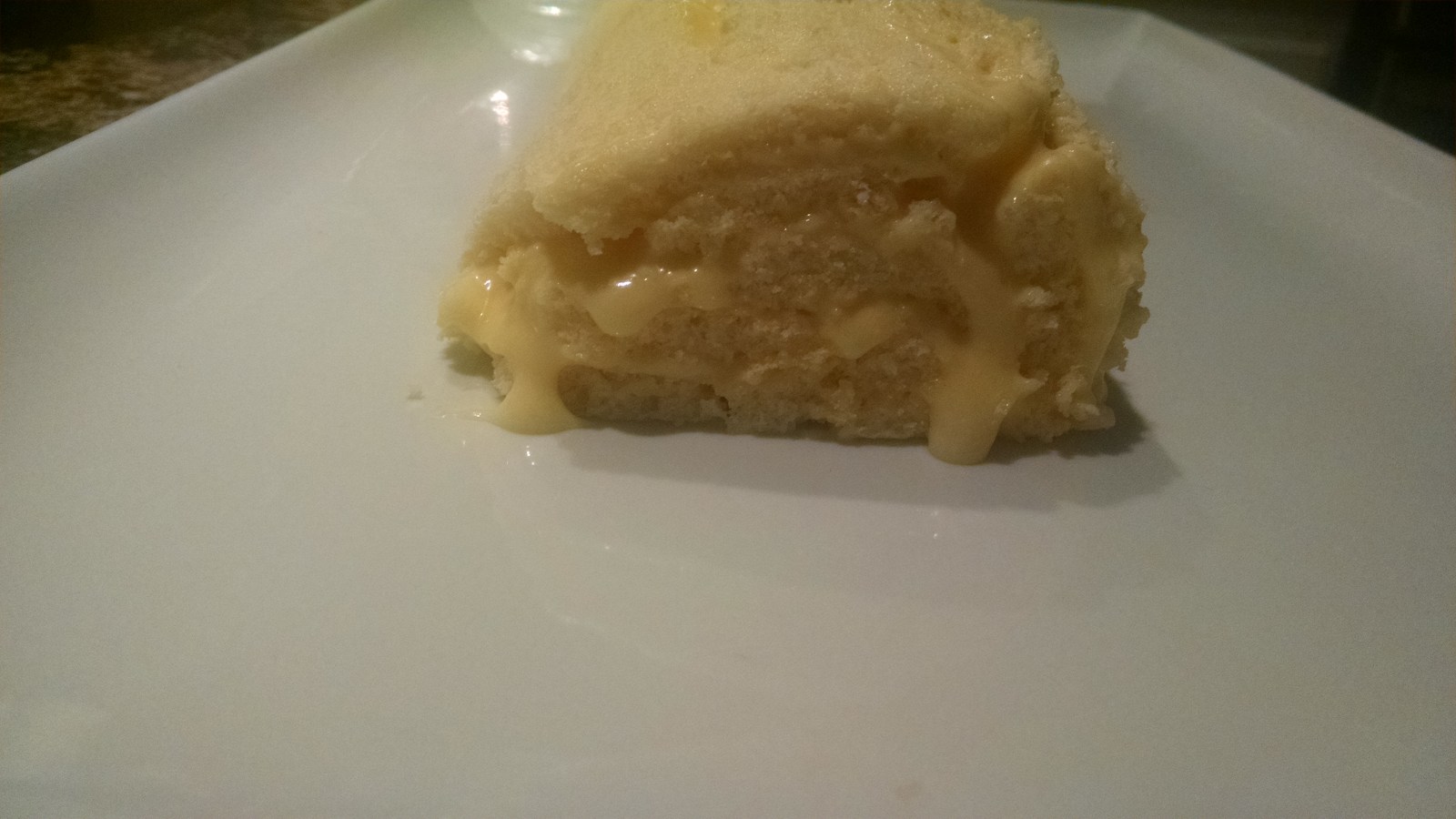
In short, I destroyed it. It was a catastrophe – like a category five hurricane battered the coast line of some poor third world country. I am ashamed beyond belief, normally if I ruin something once, I learn from my mistakes and over come them with grace and poise. Nope, not this time! It’s like I fell down the stairs, only to get up and fall down another, even longer set of stairs. Bruised and broken, I will eventually stumble to the top of the impossibly high stairs, but as evidenced by my photographs, this was not that time.
Lemon Chiffon Roll
A chiffon sheet is the most forgiving sponge to roll, because the oil and added liquid keep it soft and bendable even when cold. That is why it is the standard base for the cream-filled roll cakes of Japanese and Korean bakeries. Here it is filled with whipped cream folded through sharp homemade lemon curd.
Ingredients
Lemon curd
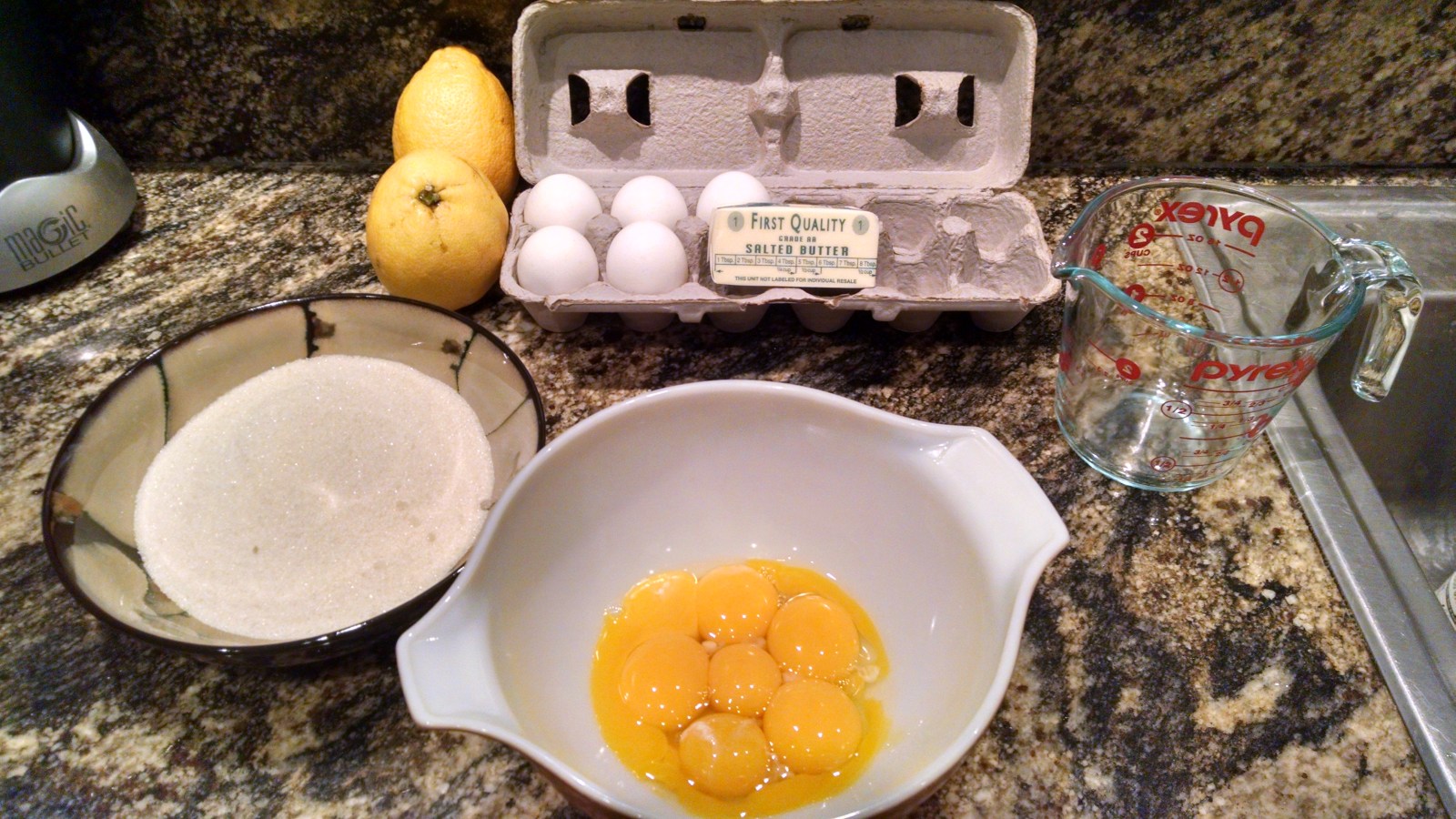
- 2 large eggs plus 2 large yolks
- 100 g granulated sugar (1/2 cup)
- 100 g fresh lemon juice (scant 1/2 cup, about 3 lemons)
- Finely grated zest of 2 lemons
- 85 g unsalted butter, cubed (6 Tbsp)
- Pinch of fine salt
Chiffon sheet
- 5 large eggs, separated, at room temperature
- 25 g granulated sugar, for the yolks (2 Tbsp)
- 50 g neutral oil (1/4 cup)
- 70 g whole milk (1/4 cup plus 2 tsp)
- Finely grated zest of 1 lemon
- 90 g cake flour (3/4 cup), sifted
- 1/4 tsp fine salt
- 80 g granulated sugar, for the whites (1/3 cup plus 1 Tbsp)
- 1 tsp lemon juice or 1/4 tsp cream of tartar
Lemon curd cream
- 250 g heavy cream, cold (1 cup plus 1 Tbsp)
- 100 g mascarpone, cold (scant 1/2 cup)
- 200 g of the chilled lemon curd (about 3/4 cup)
- Powdered sugar for dusting
Method
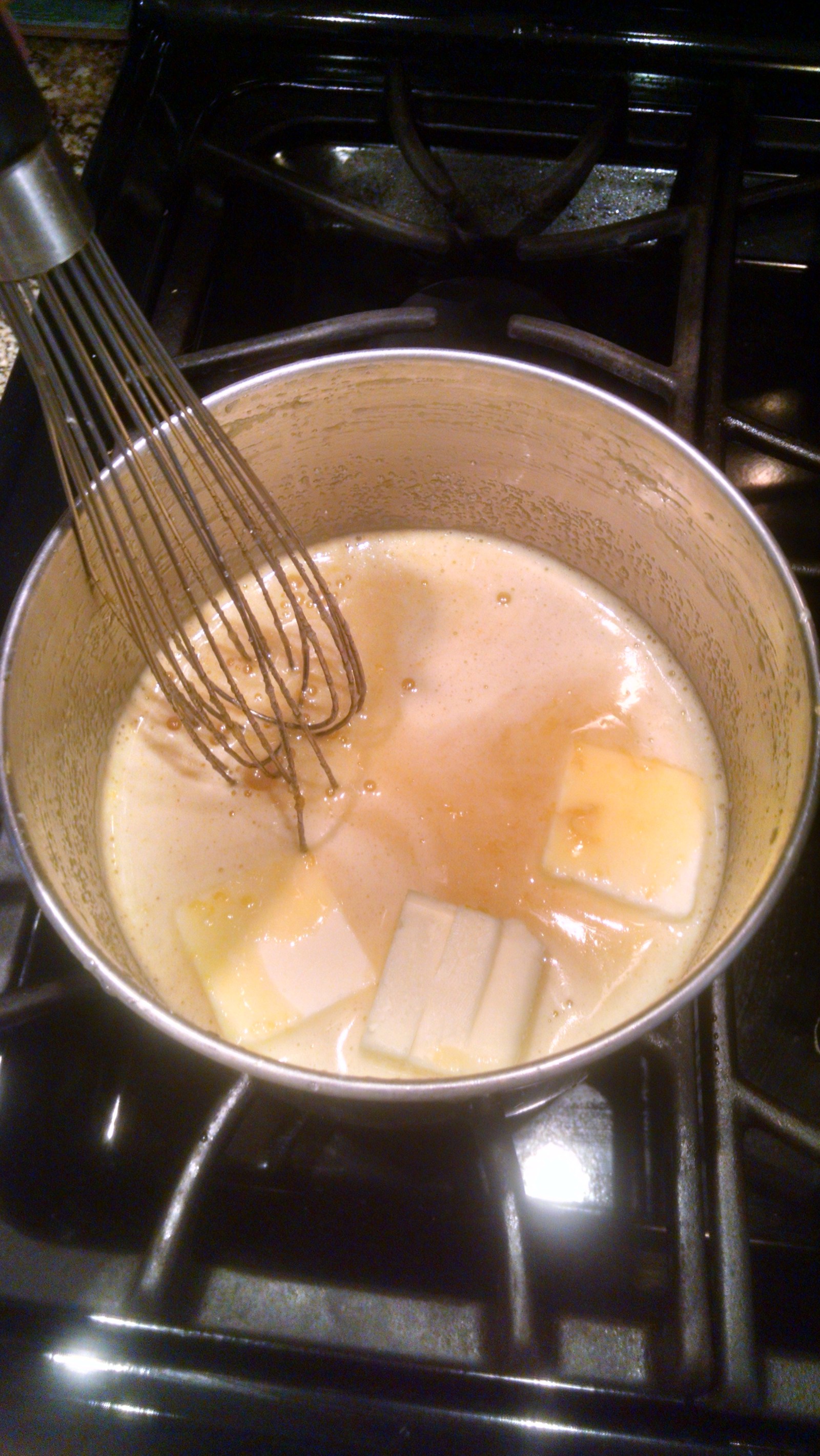
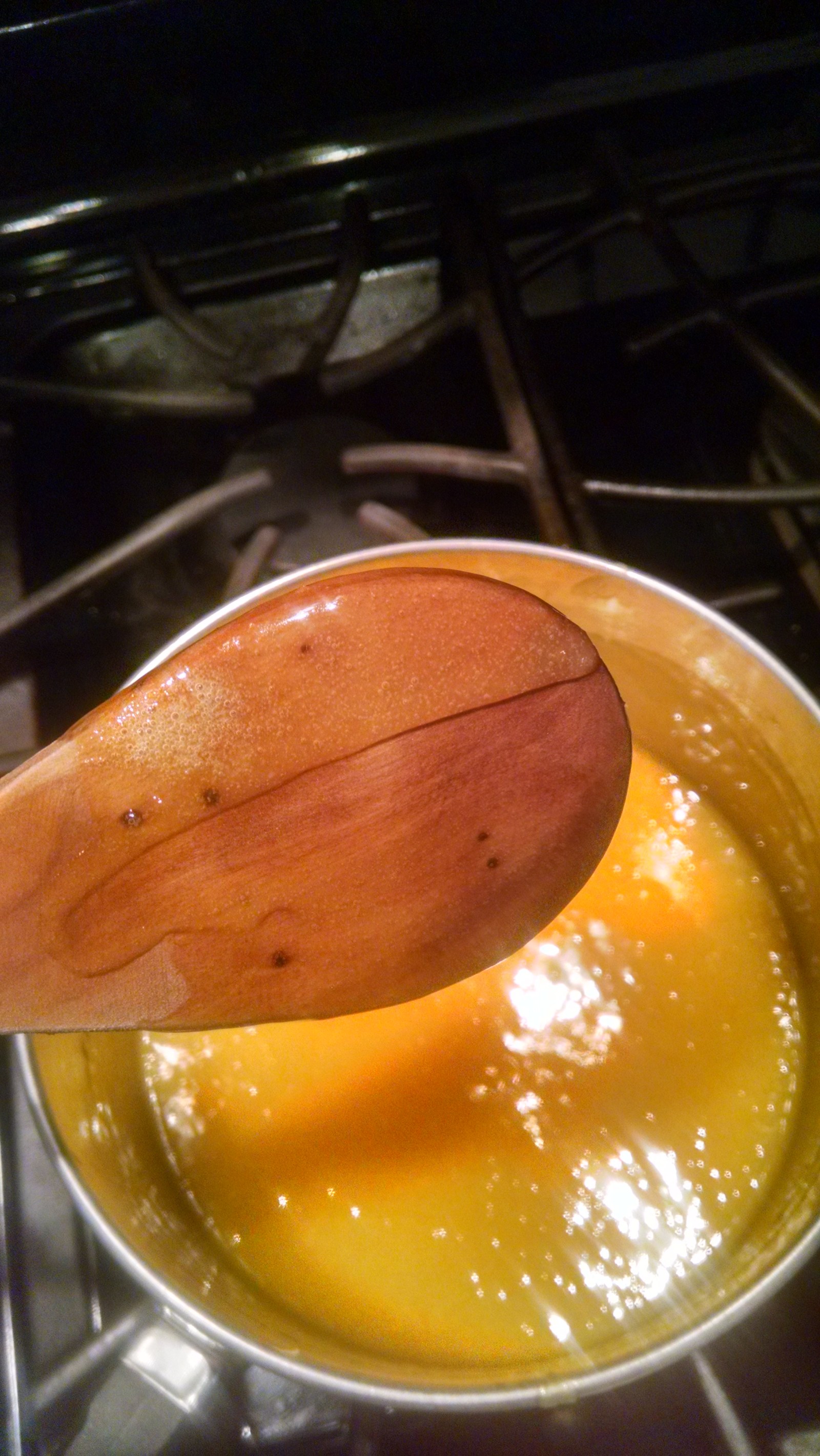
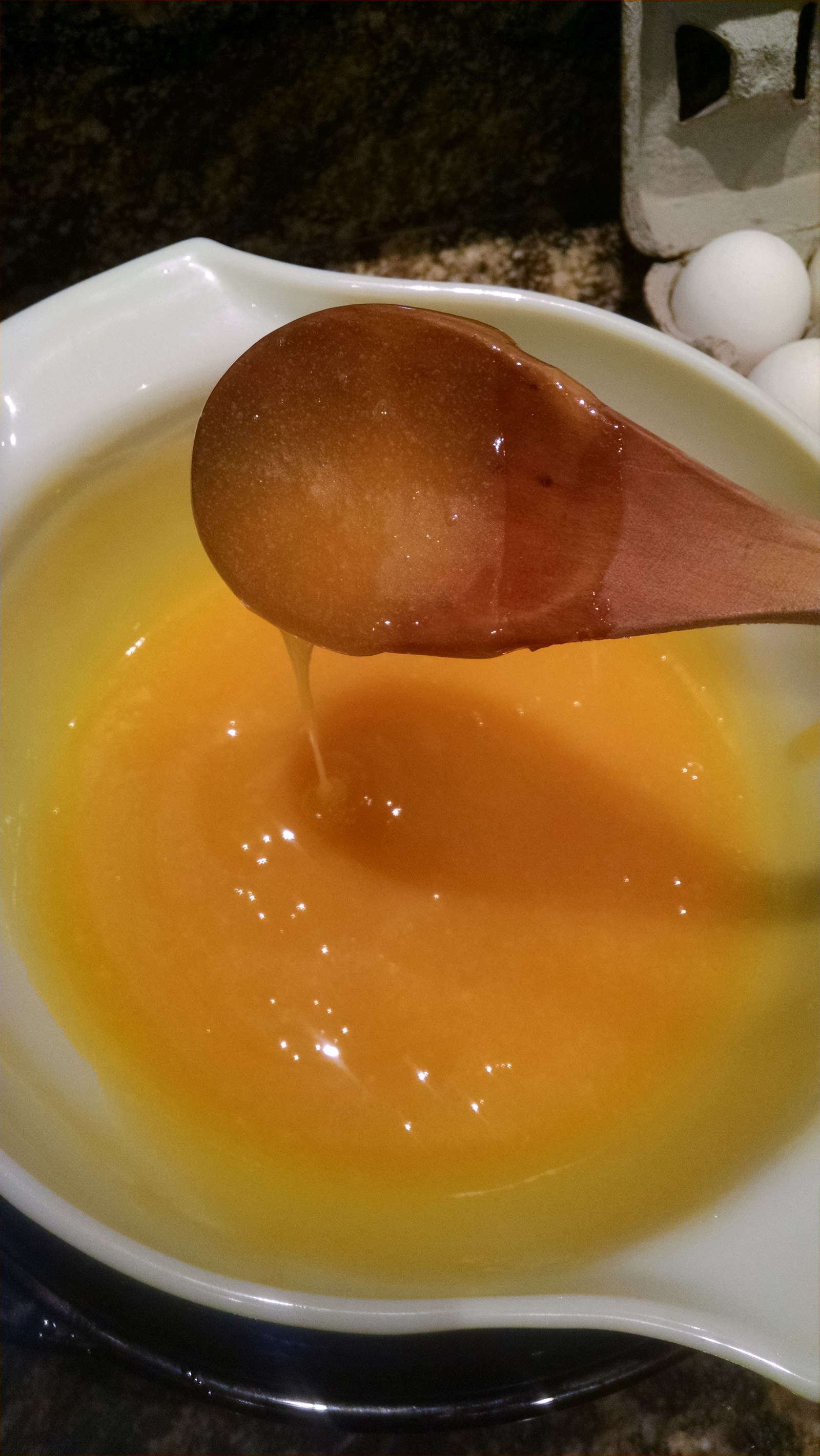
- Make the curd. Whisk the eggs, yolks, sugar, lemon juice, zest and salt in a saucepan and cook over medium-low heat, stirring constantly, until thick and 80-82°C (176-180°F). Strain, whisk in the butter a few cubes at a time, press film onto the surface and chill until cold.
- Heat the oven to 340°F (170°C). Line a 10 x 15-inch (25 x 38 cm) jelly roll pan with parchment that stands a little above the rim. Do not grease it.
- Whisk the yolks with the 25 g sugar, then whisk in the oil, milk and zest. Add the flour and salt and whisk until smooth.
- Whip the whites with the lemon juice to a foam, add the 80 g sugar in three additions, and whip to glossy peaks that curl at the tip. Stop before the meringue turns stiff and dry.
- Whisk a third of the meringue into the yolk batter, then fold in the rest with a spatula until even. Pour into the pan, level with a scraper, and rap the pan once on the counter.
- Bake 15-18 minutes, until golden and springy. Drop the pan from a few inches onto the counter to release steam, slide the cake out on its paper onto a rack, and peel the paper away from the sides.
- This recipe uses the cool-flat method. After 5 minutes, lay a fresh sheet of parchment over the cake, flip it, peel off the baking paper, and rest that paper loosely back on top so the surface stays moist. Cool to room temperature, about 30 minutes.
- Whip the cream and mascarpone to firm peaks and fold in 200 g of the curd. Trim the far short edge of the cake at a slant, spread the cream thicker at the near edge and thinner at the far one, and add a few stripes of the remaining curd.
- Lift the near edge with the parchment and roll forward in one confident motion, then tighten the roll by pulling the paper against a ruler or bench scraper. Wrap in the paper and chill at least 2 hours.
- Trim both ends with a hot knife, dust with powdered sugar and slice.
Chef’s notes
- Rolls crack for four reasons: the sheet was overbaked and dry, the batter had too little fat or liquid to stay flexible, the sheet was too thick for the tightness of the roll, or the surface dried out while cooling. Bake only until springy, keep the cake covered as it cools, and roll it the same day.
- Stiff, dry meringue also causes cracks, because it bakes into a coarse, brittle crumb. Whip only to peaks that bend at the tip.
- If the skin of the cake sticks to your hands or the paper, the cake is slightly underbaked or was covered while too hot. Give it the full 5 minutes uncovered before flipping.
- Curd that tastes metallic was cooked in aluminum. Use stainless steel or enameled pans for anything with this much acid.
Drawn from the methods of
- Rose Levy Beranbaum, The Cake Bible (1988)
- Stella Parks, BraveTart (2017)
- King Arthur Baking Company
- Tish Boyle, The Cake Book (2006)
Corey has not published his own formula for this piece. This reference recipe is compiled from the published methods of the chefs and bakers listed above, written in our own words.